
Developing Emotional Intelligence: A Guide for Resilient Leadership Success
In today's rapidly evolving business landscape, technical expertise alone is no longer sufficient for leadership success. The most effective leaders possess a critical skill that sets them apart: emotional intelligence. This comprehensive guide explores how developing emotional intelligence can revolutionize your leadership approach and drive unprecedented results in your organization.
 Understanding Emotional Intelligence in Leadership Context
Emotional intelligence represents the ability to recognize, understand, and manage both your own emotions and those of others. For leaders, this translates into enhanced decision-making capabilities, stronger team relationships, and improved organizational performance. Research consistently demonstrates that leaders with high emotional intelligence create more engaged teams, foster innovation, and navigate complex challenges with greater success.
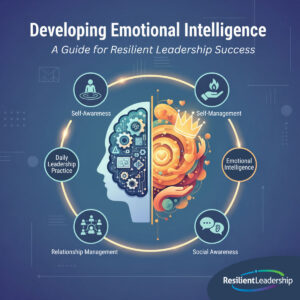
The foundation of emotionally intelligent leadership rests on four core competencies: self-awareness, self-management, social awareness, and relationship management. Each component builds upon the others, creating a comprehensive framework for leadership excellence that extends far beyond traditional management approaches.
Self-Awareness: The Foundation of Emotional Leadership
Self-awareness serves as the cornerstone of emotional intelligence, requiring leaders to develop deep understanding of their emotional patterns, triggers, and responses. This involves recognizing how your emotions influence your decision-making process, communication style, and overall leadership effectiveness.
Developing self-awareness begins with regular self-reflection practices. Implement daily check-ins where you assess your emotional state, identify what triggered specific reactions, and evaluate how these emotions affected your interactions with team members. Keep a leadership journal to track patterns and identify areas for improvement.
Pay attention to physical sensations that accompany different emotions. Tension in your shoulders might signal stress, while a tight chest could indicate anxiety. By recognizing these early warning signs, you can address emotional responses before they negatively impact your leadership decisions or team dynamics.
Seek feedback from trusted colleagues, mentors, or team members about your emotional responses and leadership style. Often, others can observe patterns that we miss in ourselves. Create safe spaces for honest feedback and demonstrate genuine openness to constructive criticism.
Mastering Self-Management for Leadership Excellence
Self-management involves controlling and channeling your emotions effectively, particularly during high-pressure situations. This skill enables leaders to remain composed, make rational decisions, and model emotional stability for their teams.
Develop pause-and-breathe techniques for moments when emotions run high. Before responding to challenging situations, take three deep breaths and ask yourself: "What outcome do I want to achieve?" and "How can I respond in a way that moves us toward that goal?" This simple practice prevents reactive responses that can damage relationships or derail important initiatives.
Practice emotional reframing by viewing challenges as opportunities for growth rather than threats to overcome. When faced with setbacks, ask yourself what lessons can be learned and how the experience can strengthen your team's resilience. This shift in perspective transforms obstacles into valuable learning experiences.
Establish clear boundaries between your emotional reactions and your professional responses. Acknowledge your feelings without allowing them to dictate your actions. You might feel frustrated with a team member's performance, but your response should focus on constructive feedback and support rather than expressing that frustration directly.
Developing Social Awareness for Enhanced Team Connection
Social awareness encompasses your ability to read and understand the emotions of others, recognize team dynamics, and comprehend the broader organizational emotional climate. This skill enables leaders to respond appropriately to their team's needs and create supportive work environments.
Practice active observation during meetings and one-on-one interactions. Notice non-verbal cues such as body language, tone of voice, and facial expressions. These signals often reveal more about someone's emotional state than their words. A team member who says they're "fine" while avoiding eye contact and speaking in a monotone voice may actually be struggling with challenges they're reluctant to discuss.
Develop empathy by genuinely trying to understand situations from others' perspectives. Before making assumptions about someone's behavior or performance, consider what factors might be influencing their actions. Personal challenges, workload stress, or unclear expectations could all contribute to apparent performance issues.
Create regular opportunities for team members to share their thoughts and feelings about work-related matters. Implement weekly check-ins, anonymous feedback systems, or team retrospectives that encourage honest communication about emotional and professional experiences.
Building Strong Relationships Through Emotional Intelligence
Relationship management represents the culmination of emotional intelligence skills, enabling leaders to influence, coach, mentor, and resolve conflicts effectively. This competency directly impacts team performance, employee engagement, and organizational culture.
Focus on building authentic connections with team members by showing genuine interest in their professional development and personal well-being. Remember important details about their goals, challenges, and achievements. Follow up on previous conversations and demonstrate that you value them as individuals, not just as contributors to business objectives.
Develop your communication skills to match the emotional needs of different situations. Sometimes team members need encouragement and support, while other situations require direct feedback or challenging conversations. Emotionally intelligent leaders adapt their communication style to maximize effectiveness and minimize emotional harm.
Practice conflict resolution skills that address both the practical and emotional aspects of disagreements. Acknowledge the feelings involved in conflicts while focusing on finding solutions that meet everyone's core needs. Help team members understand different perspectives and work collaboratively toward resolution.
Implementing Emotional Intelligence in Daily Leadership Practice
Transforming emotional intelligence knowledge into consistent leadership practice requires intentional effort and systematic approach. Begin by identifying specific situations where improved emotional intelligence would benefit your leadership effectiveness.
Start each day with an emotional intelligence intention. Choose one aspect of emotional intelligence to focus on, such as practicing active listening during meetings or managing your stress responses during challenging conversations. This targeted approach helps build skills gradually and sustainably.
Create accountability systems to support your emotional intelligence development. Partner with a colleague or mentor who can provide feedback on your progress and help you stay committed to growth. Regular check-ins and honest conversations about your development journey accelerate improvement.
Model emotional intelligence for your team by being transparent about your own emotional experiences when appropriate. Share how you manage stress, handle disappointment, or work through challenging decisions. This vulnerability demonstrates that emotional intelligence is an ongoing practice, not a fixed trait.
Measuring and Sustaining Emotional Intelligence Growth
Track your emotional intelligence development through both quantitative and qualitative measures. Monitor team engagement scores, employee feedback, and performance metrics that correlate with emotional climate. Additionally, maintain regular self-assessment practices and seek ongoing feedback from trusted sources.
Recognize that developing emotional intelligence is a lifelong journey rather than a destination. Commit to continuous learning through reading, training programs, coaching, and practical application. Each leadership challenge presents opportunities to strengthen your emotional intelligence skills and deepen your impact as a leader.
The investment in developing emotional intelligence pays dividends far beyond individual leadership effectiveness. Emotionally intelligent leaders create ripple effects throughout their organizations, fostering cultures of trust, innovation, and resilience that drive sustainable success in an increasingly complex business environment.